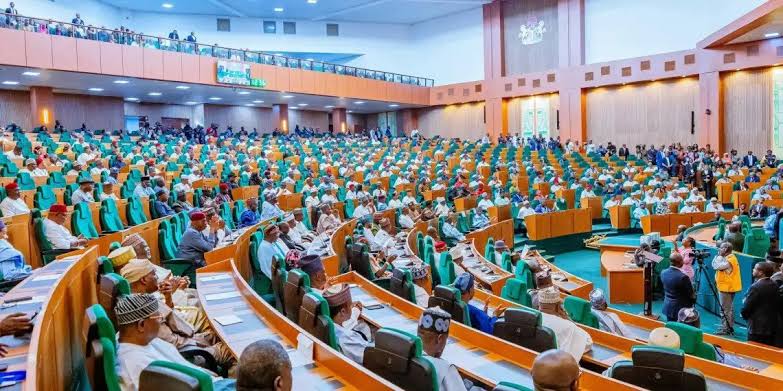
The House of Representatives has passed a constitutional amendment bill seeking to establish state police formations across Nigeria, marking a major development in the country’s long-standing debate over decentralised policing and security reforms.
The bill, titled “A Bill for an Act to Alter the Constitution of the Federal Republic of Nigeria 1999 to Provide for the Establishment of State Police; and for Related Matters (Sixth Alteration) Bill, 2026,” was approved during consideration by the Committee of the Whole, presided over by Speaker Tajudeen Abbas.
The proposal received overwhelming support, with about 288 lawmakers voting in favour and only four voting against it after arguments were presented by Deputy Speaker Benjamin Kalu.
If ultimately adopted, the amendment would formally create both Federal and State Police structures by altering Section 214 of the Constitution.
Under the proposal, state governments would be permitted to establish their own police services through laws passed by their respective State Houses of Assembly, provided they meet nationally prescribed standards.
The bill also outlines conditions under which the Federal Police could intervene in a state’s internal security affairs, including situations involving a complete breakdown of law and order, requests from governors, or circumstances where a state police force becomes unable to function effectively.
Another key provision addresses police leadership, proposing that the Inspector-General of Police be appointed by the President on the advice of the National Police Council from among serving Federal Police officers, subject to confirmation by the National Assembly.
The passage of the bill represents a significant milestone in efforts to reform Nigeria’s security architecture as the country continues to grapple with challenges including banditry, kidnapping, terrorism, and other forms of violent crime.
However, the proposal must still complete other constitutional amendment processes before becoming law.