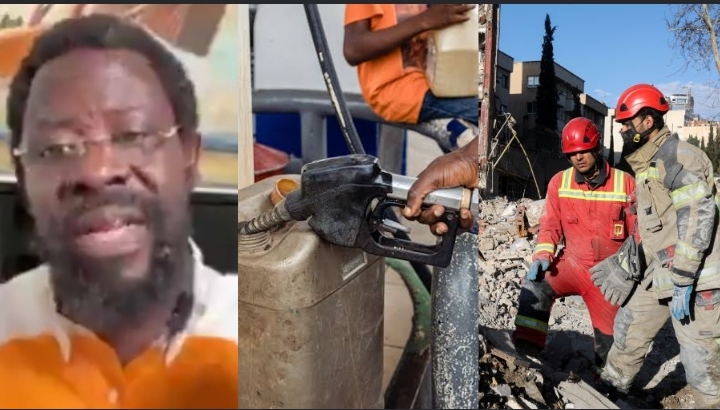
Human rights lawyer and activist, Dele Farotimi, has criticised Nigeria’s handling of its oil resources, warning that the country risks missing out on key economic benefits due to poor planning and lack of direction.
In a viral video circulating online, Farotimi argued that despite Nigeria’s vast crude oil reserves, the country has failed to build a strong value chain that could support economic growth and stability.
Calls for More Refineries
Farotimi stated that Nigeria should not depend heavily on crude oil exports without refining its resources locally. According to him, the country has the capacity to operate multiple refineries but has not fully utilised it.
“If Nigeria were to be yoked to purpose, there is no reason under the sun why we shouldn’t have at least 10 refineries in this country,” he said.
He also questioned why locally available crude oil is not adequately refined within the country, stressing that this gap continues to affect the economy.
Concerns Over Fuel Pricing
The activist expressed concern over the rising cost of petroleum products, noting that global events continue to impact local prices.
“Dangote, as a refinery, is dependent on foreign crude in a country where we have crude in abundance,” he added.
Farotimi warned that Nigerians may continue to face higher fuel prices, especially as global tensions persist and influence the oil market.
Missed Opportunities and Economic Impact
Reflecting on Nigeria’s past, Farotimi recalled a time when the country was among the top crude oil producers globally. He lamented that despite such advantages, citizens are not benefiting as expected.
“But today, they are coughing in Iran and we are catching catarrh,” he said, highlighting how international developments affect Nigeria’s economy.
He also referenced the gains recorded during the Gulf War era, questioning why similar economic benefits are not being realised today.
Criticism of Leadership and Vision
Farotimi further criticised what he described as a lack of long-term planning and vision among leaders. He argued that without a clear national purpose, progress would remain limited.
“Vision defines purpose. In the absence of vision, you can’t find purpose,” he said.
He added that without proper direction, resources may continue to be mismanaged, leading to economic setbacks.
Farotimi concluded by urging leaders to prioritise policies that add value to the nation’s raw materials rather than relying heavily on exports.
Watch the video here…
VIDEO: Why should petrol be expensive in a country that produces it, if it’s not a sign of failure? Why is the war in Iran affecting Nigeria, a major producer of oil? – Dele Farotimi pic.twitter.com/myOimnW8Ki
— Rinu Oduala 🔥🔫 (@SavvyRinu) March 25, 2026