Nigerians were hit with another wave of fuel price increases on Tuesday as the escalating conflict involving the United States, Israel and Iran sent crude oil prices higher, triggering an immediate rise in the cost of petrol across major cities.
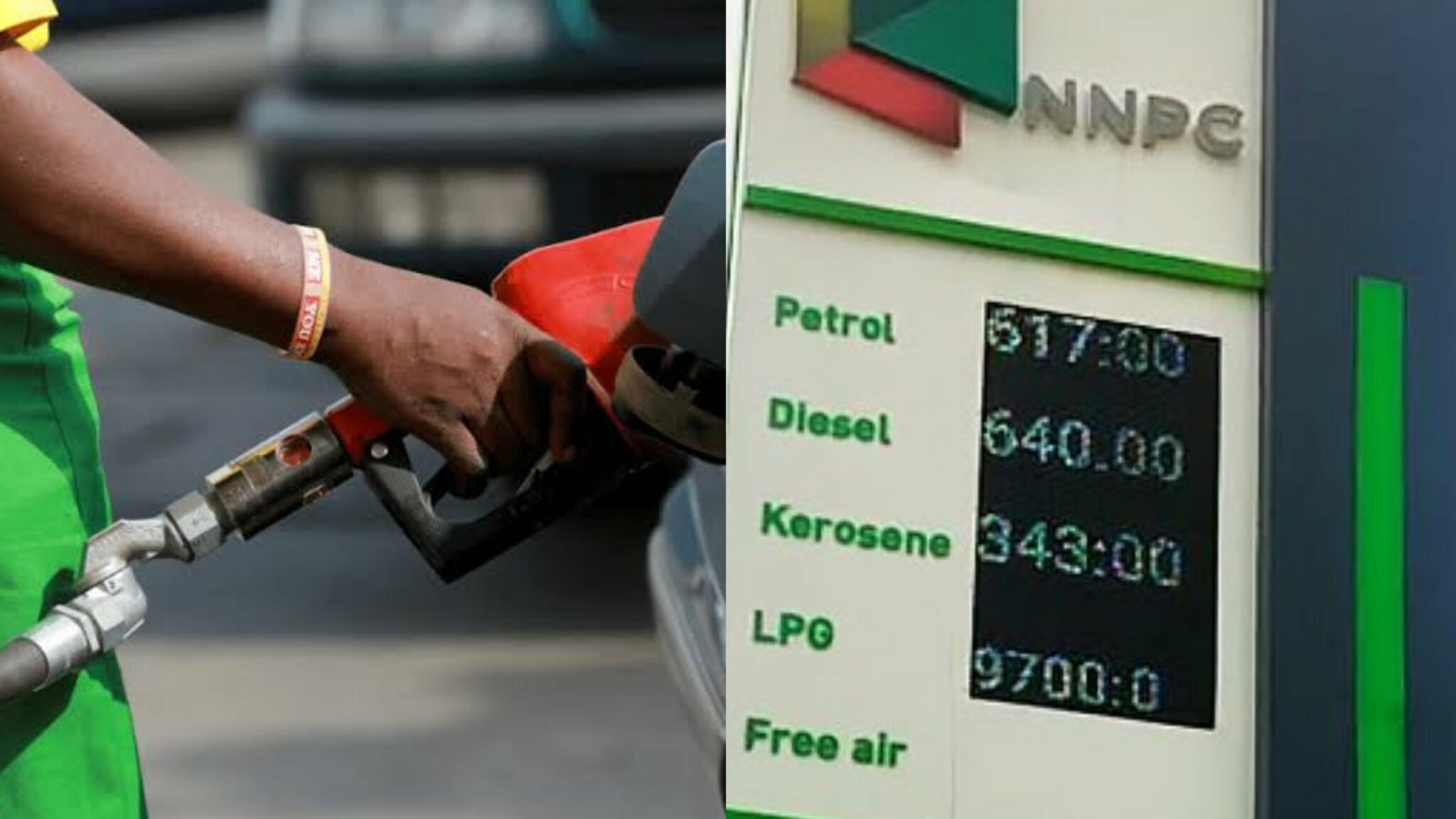
Retail outlets in Lagos, Abuja and Port Harcourt adjusted pump prices upwards, with motorists reporting rates approaching ₦950 per litre.
Refinery price review ripples through market
The latest hike followed an upward review of ex-depot prices by the Dangote Petroleum Refinery, which raised its gantry rate to ₦874 per litre.
Marketers explained that the adjustment reflects higher crude acquisition costs driven by the Middle East crisis, alongside rising shipping and insurance charges.
The increase effectively erased the brief relief Nigerians enjoyed in February, when depot prices were reduced amid improved supply conditions.
Strait of hormuz disruption fuels global oil rally
Oil markets reacted sharply after Iran issued threats affecting movements through the Strait of Hormuz, a vital shipping route for global crude supply.
Reports of damaged vessels and stalled traffic heightened fears of prolonged disruption, pushing international oil prices close to $80 per barrel.
Energy analysts warn that a sustained blockade could force prices significantly higher, with direct consequences for fuel-importing economies such as Nigeria.
Consumers, businesses face rising costs
Many caution that higher petrol prices could intensify inflationary pressures, raise transport fares and increase operating costs for businesses. Marketers say further adjustments remain possible if hostilities persist and global crude prices continue to climb.
For Nigerian consumers, the renewed fuel shock underscores the country’s vulnerability to international geopolitical tensions.